

The Story
A long story of families, of men in the foreground and women in the background, as was typical in times past, but no less decisive. A story of labor, private initiative and modernization, of the culture of “doing.” A story embedded in an extraordinary territory, that of the Val di Noto in southeastern Sicily, with its flourishing productions of oil, wine, wheat and its boundless pastures.
A story worth telling in its essential traits, which make it both a peculiar experience, an interpretative model of the territory and the icon of a Sicilianity to be rediscovered and enhanced.
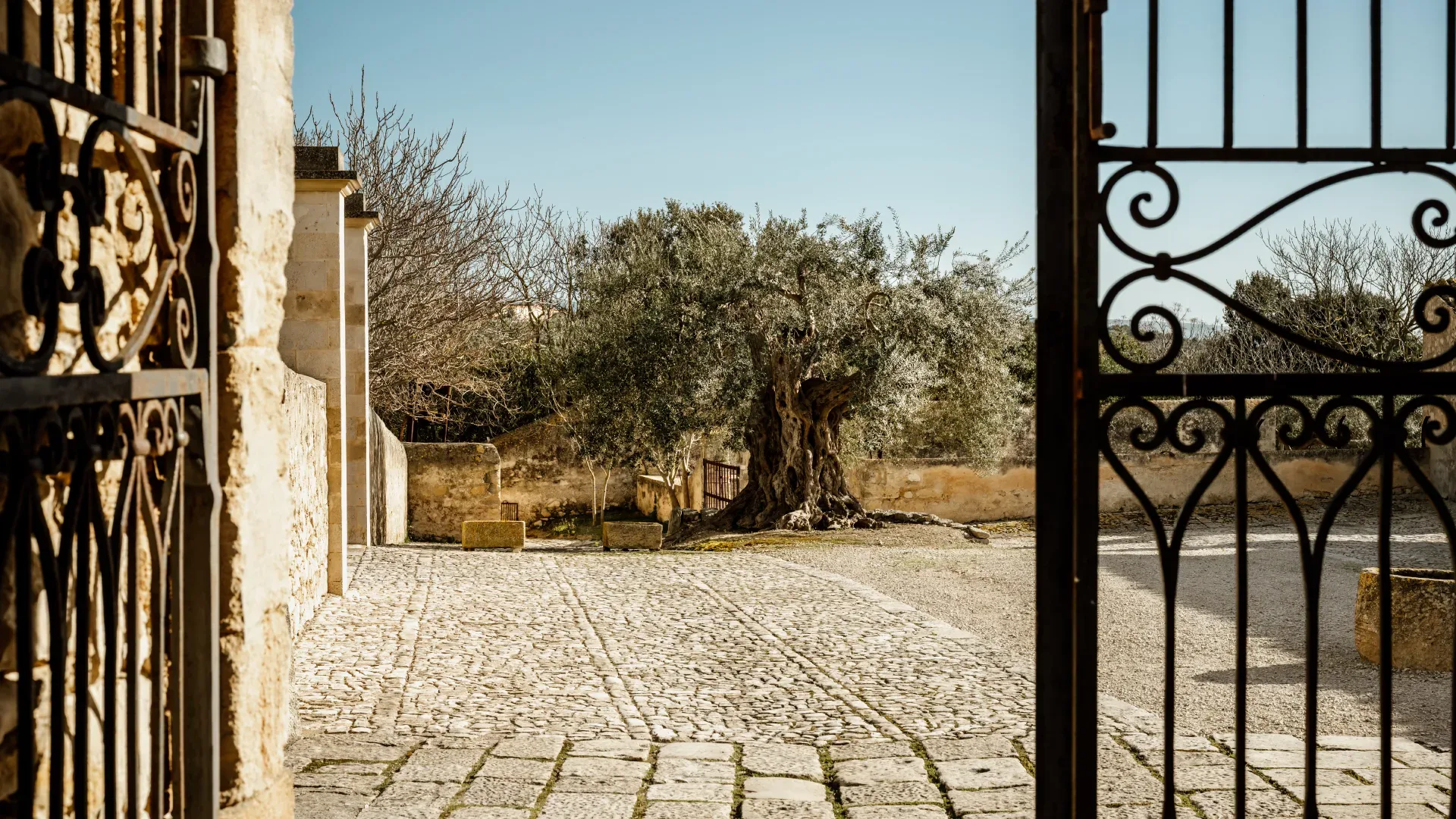
The earliest records of the Fegotto fief date back to the 17th century, when the property belonged to Girolamo Landolina, Baron della Carnicera, from whom it passed to his son and then to his grandson. The Landolina family was succeeded in ownership of the fief by the Cannizzo family and the La Jacona family, which obtained to convert its noble title of Baroni del Patro to Baroni del Fegotto.
At the beginning of the 19th century, the Fegotto came into the hands of the Rizza family, from middle-class backgrounds, who stamped their decisive imprint on it, changing its future destinies. Paolo Rizza obtained it in emphyteusis in 1812; he was followed by his son Vito and grandson Evangelista: they were the ones who turned it into a fief-farm, cultivating and managing it with entrepreneurial criteria that were avant-garde for Sicily at the time.
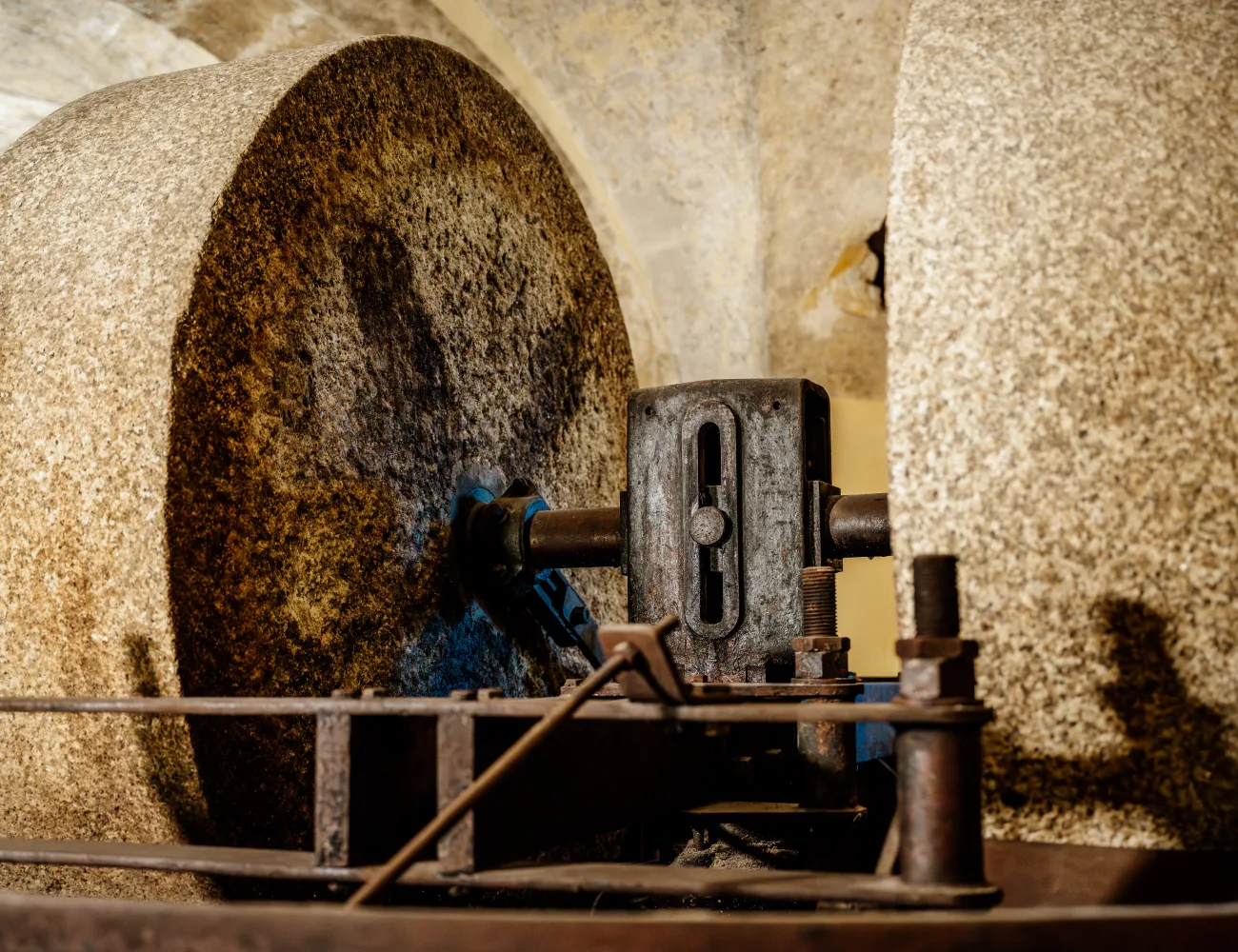
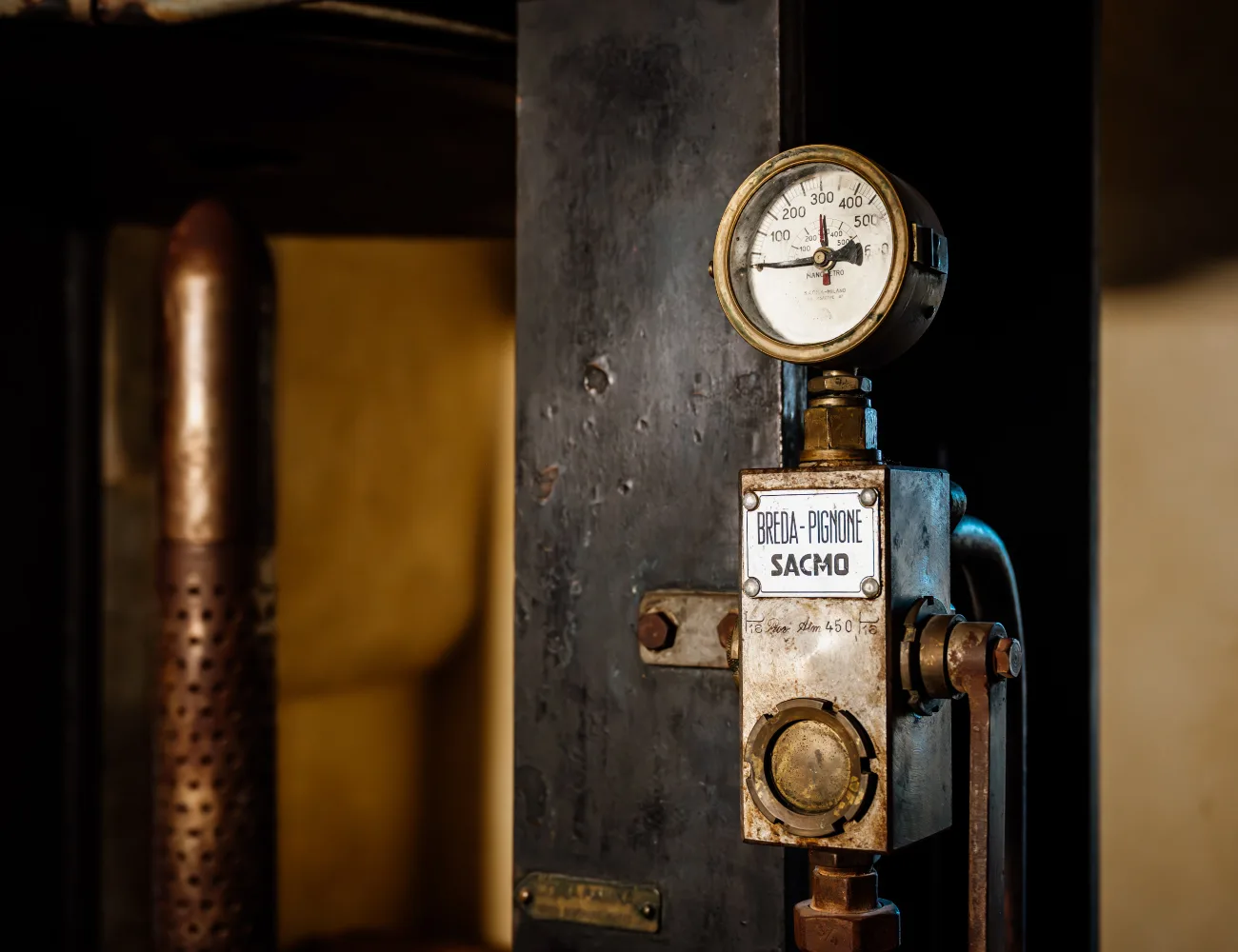
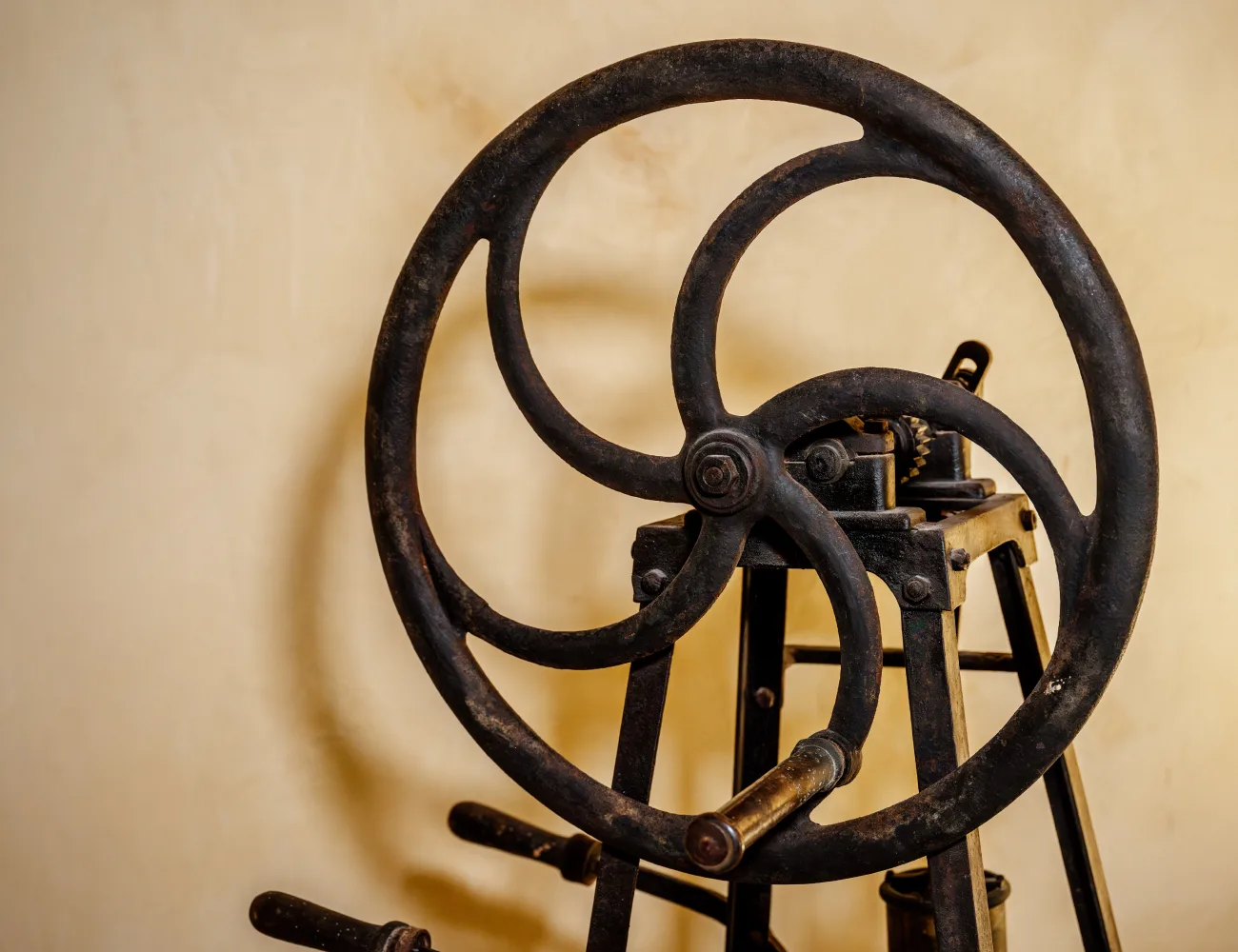
Until the 1950s, crops of vines, olive trees, carob trees, almond trees, wheat and even tobacco flourished at Fegotto. Dairy and working cattle and silkworms were raised. The excellent productions of this fief-farm, punctually awarded in national agricultural exhibitions, determined the economic and social rise of the Rizza family.
The Rizza family assumed public roles of increasing prominence: Paolo was ideota judge, Vito mayor of Chiaramonte Gulfi, Evangelista deputy of the Kingdom. At the same time, Fegotto became a social, administrative and religious landmark in the area, to the point that the parish church, state school and post office found a place among its blocks.
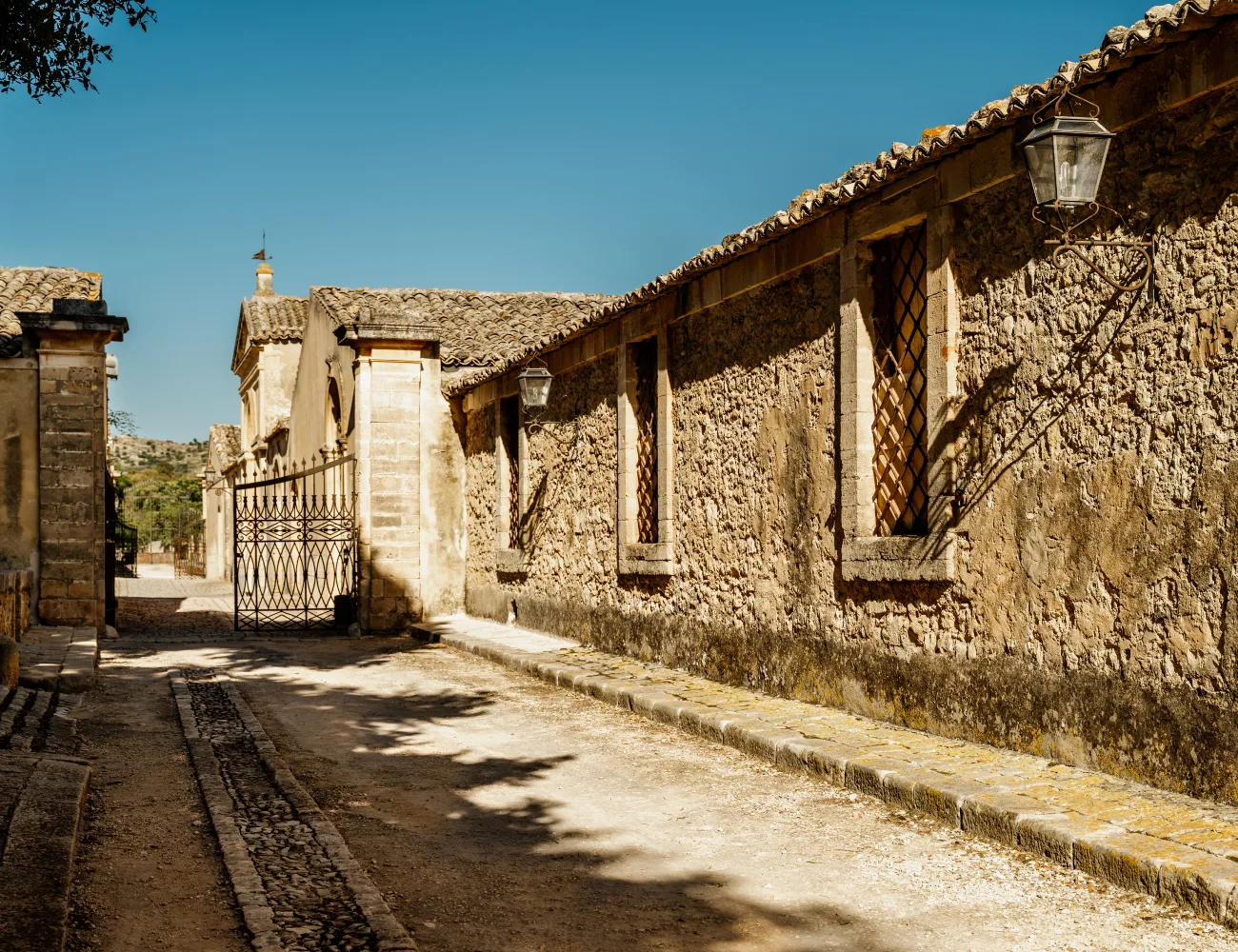
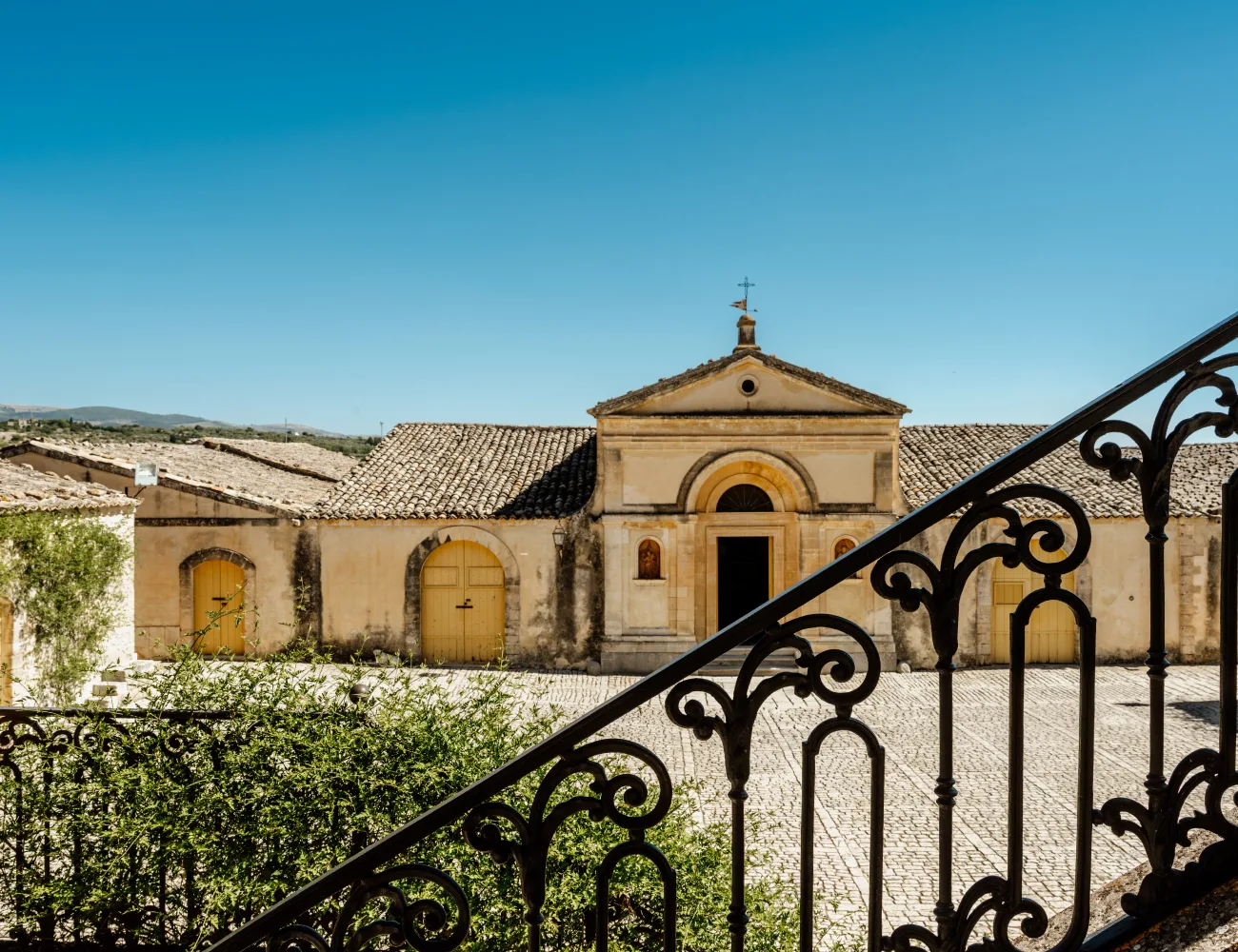
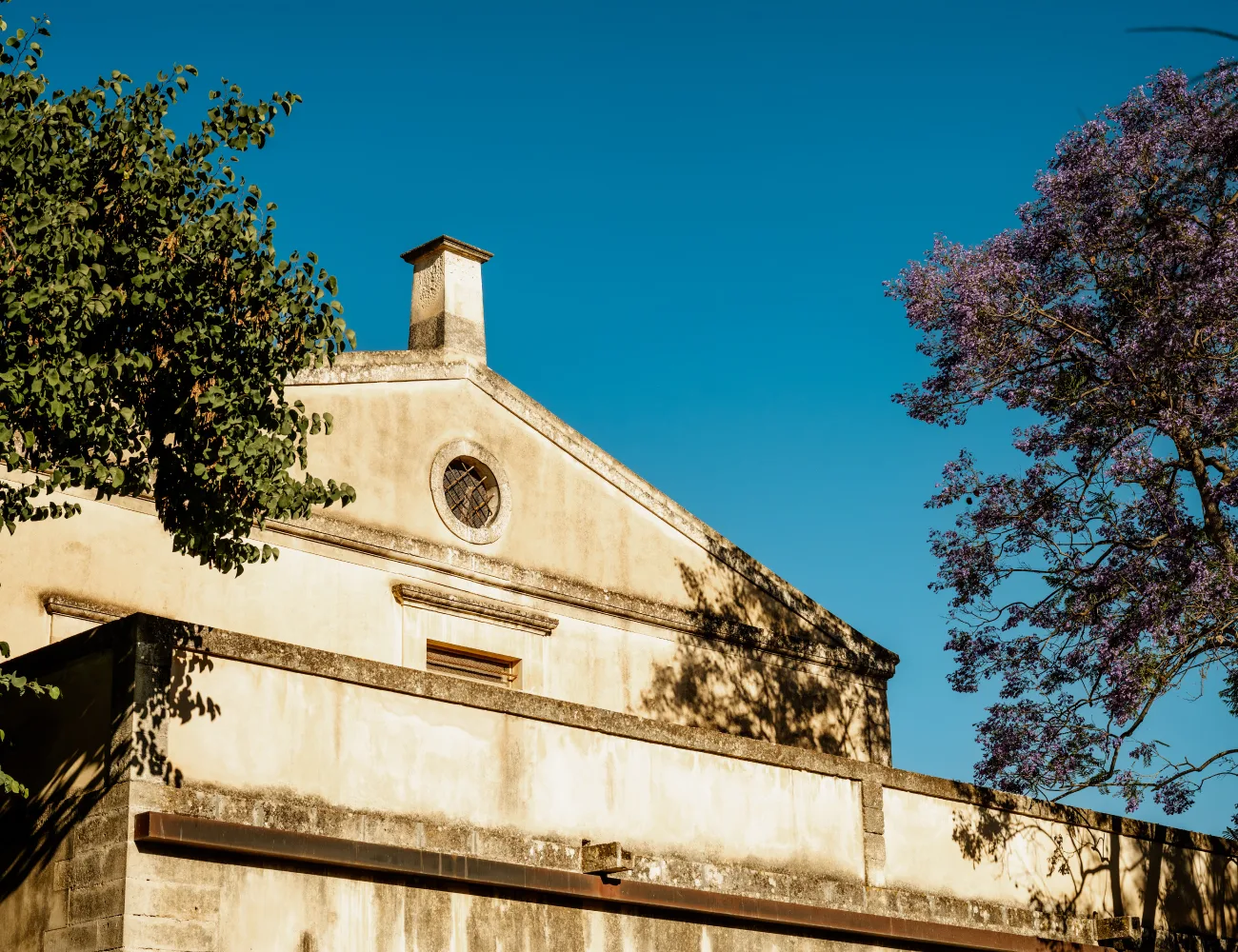
From the second half of the last century, there was a gradual reduction and then discontinuation of activities, which was followed by the closure of the premises dedicated to production and their slow deterioration.
Until the early 1990s, when the current owners undertook the renovation and re-functionalization of the tenements, aware of the inestimable cultural value of the Fegotto for the wealth of history and knowledge it now delivers to contemporaries.